Updated November 2025
This page is where I will be sharing my thoughts on the flagship phones that are currently out on the market, and whether or not I think they’re worth it for the price.
Google Pixel 10 Pro Review
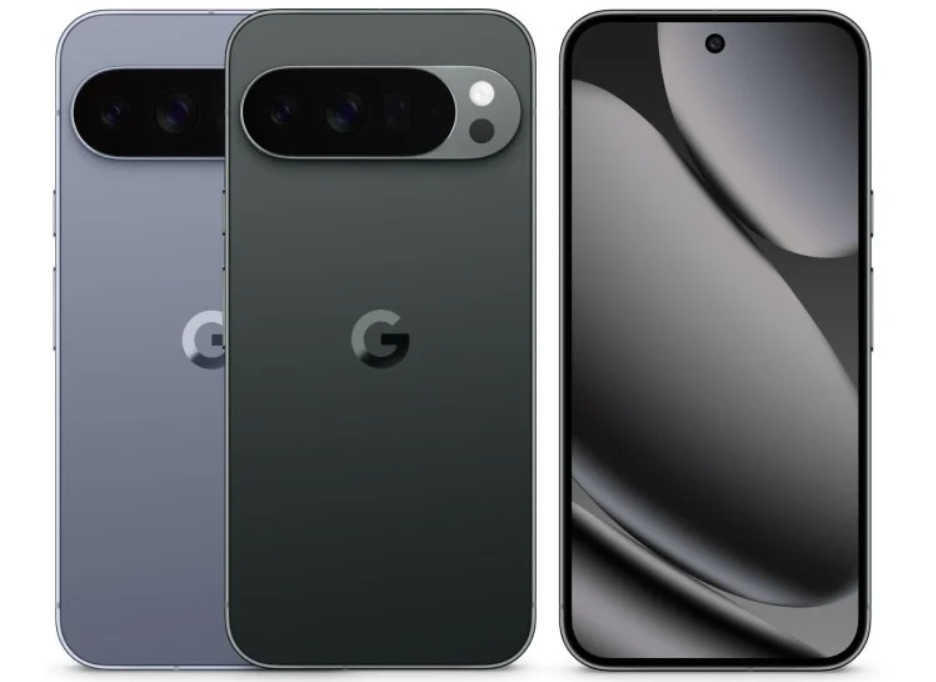
Key Specs:
- Google Tensor G5 processor & 16 GB RAM
- 6.3″ QHD+ ~495 ppi 120Hz LTPO AMOLED display with up to ~3,300 nits peak brightness, Gorilla Glass Victus 2 protection, 207 g weight
- 50 MP Wide + 48 MP Ultrawide + 48 MP 5× Telephoto + 42 MP selfie camera
- 4,870 mAh battery with 45W wired charging & 15W wireless charging (reverse wireless charging supported)
- Android 16 with 7 major Android updates (and extended security updates)
- IP68 dust and water resistance
I have never personally used this phone myself, but from watching multiple reviews on it it appears to have a whole lot of pros and a whole lot of cons. We’ll take a deep dive into what exactly are these pros and cons, and talk about whether or not you should actually buy this product.
On paper, this phone has all of the makings of a spectacular flagship phone, but upon actually daily driving it, you will find it does have some flaws. To start with the good, it has an amazingly-sized 6.3″ high-res LTPO OLED panel with a 120Hz refresh rate that gets very bright, and supports HDR10+. The speakers are loud and have good sound quality, and the phone itself has a durable and premium build, with the iconic Pixel triple cameras being protected with the same Gorilla Glass Victus 2 as the rest of the phone. The performance with the Google Tensor G5 processor offers an upgrade over the Pixel 9 series of the previous year, and is capable of handling pretty much anything you need it to do, and Google’s new AI features. Google’s new AI features are very cool in my opinion, like Magic Cue, which tracks what you do across apps and provides relevant information, or Camera Coach, which coaches you through your camera app to take the best possible picture you can in a given scenario. In my opinion, the Pixel’s skin of Android is very clean and snappy to navigate through, a huge upside of buying this phone. This phone will also receive 7 years of software updates, utilizing “Pixel Drop,” which Google claims will make your phone feel brand new for years to come. The camera setup on the phone has carried over significantly from the Pixel 9 Pro, except now the 10 Pro has 100x zoom, despite having the same telephoto lens as the 9 Pro, which only supported up to 30x. The 50MP main lens is the star of the Pixel 10 Pro’s camera setup, taking amazing photos during the day that are said to be extremely crisp-looking. The 42MP selfie camera is great as well, and we’ll get into the other lenses when i start talking about all of the flaws of this phone. Wireless charging speed has also improved on this phone, and the battery is larger, providing good battery life, even better on the 10 Pro XL. Like I said, on paper, this is a spectacular flagship phone and sounds like a great buy. Well, this phone is not for everyone, and there may be some deal breaking issues involved here.
First of all, despite the Google Tensor G5 chip powering this phone being the latest from Google, it lags behind other flagship Android phones in terms of performance, and experiences thermal throttling and other heat issues for many. Its AnTuTu benchmark score even lags behind the $200 (refurbished) Samsung Galaxy S23 with its Snapdragon 8 Gen 2 chip. Charging speed on this phone is underwhelming compared to the competition, and its battery life is no better than the last generation of Pixel phones, with GSMArena even describing it as “considerably worse”. The cameras on this phone have been a large problem for many, specifically the 48MP 5x telephoto lens. This telephoto lens delivers sharp & jerky movements while stabilization is on, which is widely credited to a software bug, and pictures taken with this telephoto lens have been described as blurry or soft, with subpar levels of detail. The cameras other than the telephoto are good, but better value can be found in other phones camera-wise (another quote from GSMArena).
Overall, I would only recommend this phone if you’re set on the Google software experience and want their latest offering, or if you want to buy it for whatever other reason you may have to want this phone.
Nothing Phone 3 Review
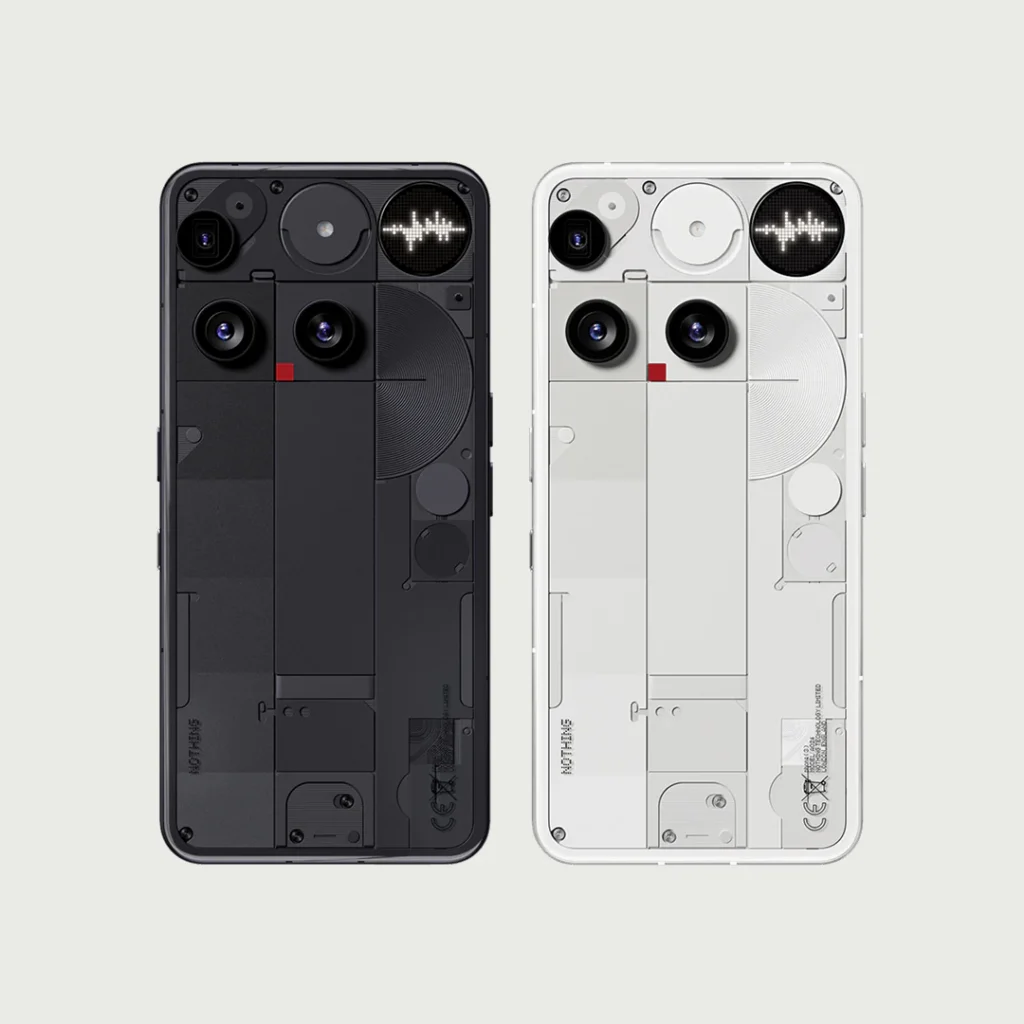
Key Specs:
- Snapdragon 8S Gen 4 processor & 12-16GB RAM
- 6.67″ 1260×2800 ~460 ppi 120Hz AMOLED display with up to ~4,500 nits peak brightness, Gorilla Glass 7i protection, 218g weight
- 50 MP Wide + 50 MP Ultrawide + 50 MP 3× Telephoto + 50 MP selfie camera
- 5,150 mAh battery with 65W wired charging & 15W wireless charging (reverse wireless charging supported)
- Android 15 with 5 major Android updates (and extended security updates)
- IP68 dust and water resistance
The Nothing Phone 3 is a weird but kind of cool-looking phone with some cool features and a good idea, but as Nothing’s first entry into the flagship game, it does have its flaws. While this phone is unique, it’s a step down from other flagships in this price range. We’ll be going over everything to see if this phone is worth it for you.
First of all, something we can’t ignore that sets Nothing apart from any other phone on the market is its design. Nothing went with probably some of the strangest camera placement I’ve ever seen on a phone, along with its layered glass & Glyph Matrix (the little screen on the back), making for a very unique-looking phone. There is also a button on the back (dubbed The Button by Nothing) that cycles through utilities and simple games that display on the Glyph Matrix, which can also display animations for certain notifications, can be a viewfinder for photos, and other stuff. As for another Nothing-exclusive feature, it has a dedicated Essential Key on the side, used for quickly taking screenshots or voice memos, with a double tap of the button opening the Essential Space app. Over on the front of the device is a nice 120Hz display with a resolution comfortably in between 1080p and 1440p with Gorilla Glass 7i protection, which is the a more budget Gorilla Glass model, with the display itself also lacking LTPO technology. These small caveats are just part of the bigger picture of why this flagship-priced phone doesn’t feel like a top-of-the-line handset. But until I talk about that part, let’s continue focusing on the good.
This phone has a useful IP68 rating for water submersion and dust resistance, an upgrade from the Nothing Phone 3a Pro’s IP64 rating. To wrap up the external side of the phone, it features stereo speakers with nice loudness and sound quality, a fast & reliable optical under-screen fingerprint reader, and an interesting set of cameras. Its 50MP main lens takes great photos that hold up well or everyday shots. As for video quality, all three cameras can record in 4K, with excellent detail and dynamic range. Its ultrawide and telephoto lenses are said to be good for what they are as well. This phone is powered by the Snapdragon 8s Gen 4 processor, along with 16GB of RAM, powering the phone to score about 2 million on the AnTuTu benchmark. The 5150 mAh silicon-carbon (thank you Nothing) battery on this phone is heavily praised, with this phone lasting for multiple days with normal use.
The main camera of the Nothing Phone 3 can produce images that are said to be too soft compared to the competition, a problem that all of the lenses are reported to have as well in lower light. The pictures are good overall, but a notch behind competing flagships from other companies. The processor powering this phone, while still very fast, is behind the Snapdragon 8 Elite and Apple’s offering at this price point. Corning Gorilla Glass 7i is also usually for midrange to budget phones, not for a flagship phone like the Nothing Phone 3, flagships at this price range would usually have something around the level of the flagship Gorilla Glass Victus 2. It seems that Nothing was cutting some corners not usually cut on a flagship phone of this caliber.
Overall, should you buy this phone? If you like Nothing’s aesthetics and feature set, go for it. But if you appreciate the value of Samsung, Apple, or even Google’s offerings over the Nothing Phone 3, or don’t care for Nothing’s niche advantages, then go for just about any other flagship.