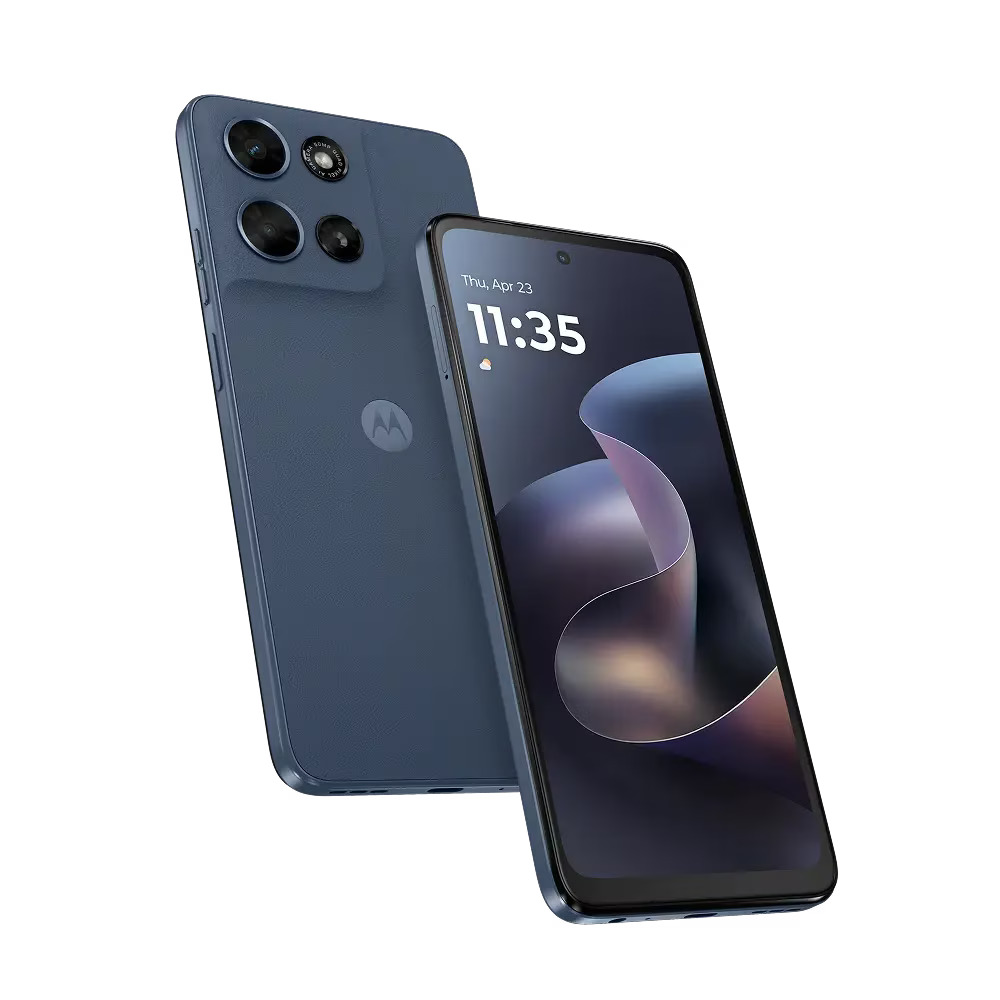
Motorola has always done a great job with their budget line of smartphones, the Moto G family, consisting of the Moto G Play, G Power, G Stylus, and the regular G. The Moto G Play has always been the most budget of the bunch, followed by the Moto G, Moto G Power, and then the Moto G Stylus. As long as I can remember following the release of these phones each year, these phones have been praised for their functionality, battery life, and good overall value. The Moto G Play 2024 and Moto G 2025 have been two of my favorite budget phones this past year, especially from carrier deals like those from Straight Talk Wireless, Tracfone, etc. to be used as Wi-Fi-only phones. Their prices only keep going down with the release of Motorola’s new lineup of budget phones, further adding to the reasoning for buying the older ones. However, the focus of this article will be on the 2026 Motorola G family of phones, and whether or not they’re worth the peoples’ money.
What has been released
As of right now, December 2025, Motorola has not released the entirety of their 2026 budget phone lineup. What has been released is the Moto G Play 2026 and the Moto G 2026. At first glance, both the G and G Play look nearly identical to last year’s Moto G 2025, and the similarities don’t just stop at the looks. To start with the G Play, it’s worth mentioning that the G Play 2025 does not exist, as the last time Motorola made a G Play phone was with the G Play 2024. It has the standard build Motorola puts on its other budget phones, an “eco leather” (silicone polymer) back, Corning Gorilla Glass 3, and a plastic frame. It’s not a bad build at all for a budget phone, but at the same time, it’s nothing special either. It has a 6.7″ 720p 120Hz IPS LCD display with 1,000 nits of peak brightness, with relatively thick bezels around the edges with a thicker bottom bezel, but nothing here is worthy of complaining about, as this is all standard for budget phones. The Moto G Play 2026 is powered by the MediaTek Dimensity 6300 processor, supplemented by 4GB of RAM, making for a smooth and usable, but not necessarily fast, or especially powerful phone. Some other useful features it has are NFC for tap-to-pay, a headphone jack, a microSD card slot, great speakers with Dolby Atmos sound, a fingerprint scanner on the power button, a large 5200mAh battery, and newly added 5G.
Its cameras are essentially the exact same as the other phones in Motorola’s other budget phones, minus a largely useless macro lens. It produces decent results with its 32MP sensor and 8MP selfie camera, usable if you’re not a professional photographer. Its IP52 water and dust resistance is a weak point, as well as its lack of major OS updates. So, what’s the takeaway from this phone? Before I talk about that, I’d like to cover the Moto G 2026. The main thing about it is that it’s almost the exact same as the G Play. It shares every spec with it, other than a couple, including having a small camera upgrade (The Moto G 2026 has a 50MP main lens, an extra 2MP macro lens, and a 32MP selfie camera), a barometer, more built-in storage, and different colors. All of its changes from the tier below are basically unnoticeable in daily use, and the two phones are essentially the same. What makes this year’s lineup of phones (released so far) even more uninteresting is how the two phones are basically the same as last year’s Moto G phone. If you compare the three on GSMArena or even on Motorola’s own website, you’ll be hard-pressed to find many important spec differences between the three.
Motorola is clearly getting too comfortable in its sector of the budget phone market. By changing very little about their model in making phones and adding very little to their new lineup so far, they’re bringing on some new problems. For one, I wouldn’t argue for the Moto G 2026 as a good budget phone for $200 anymore, as since it’s very similar to last year’s, other budget phones from other companies are catching up. The Samsung Galaxy A16, for example, is a budget phone that can be found for under $200 brand new. I’ve always thought that it was an okay deal, as it also aims to be a budget, affordable phone and does a good job at that. Samsung beats Motorola at their own game here (as I would argue Motorola is primarily known for their budget phones), having a much better display, a triple camera setup with an ultrawide lens, more RAM, many more software updates, and more. Motorola has set out to release two phones that are intended for basic users that can do the bare minimum and no more. Since budget phones are just getting better and better and starting to be able to do much more than the bare minimum required to have a decent phone, I believe that Motorola is going to have to step up their game in the next couple of years if they want their prevalence in the budget phone market to remain.
What hasn’t been released
The Moto G Play and Moto G likely aren’t the only phones to be in Motorola’s 2026 Moto G family this upcoming year. Usually, like I said earlier, Motorola has four phones in this lineup; the Moto G Play, Moto G, Moto G Power, and Moto G Stylus, with an exception or two, such as the G Play not being included in the 2025 lineup. What this means is that the Moto G Power 2026 and Moto G Stylus 2026 will be announced at a later date, and that is almost a certainty, as the phones do indeed exist, which we know because the designs for both of them have been leaked.
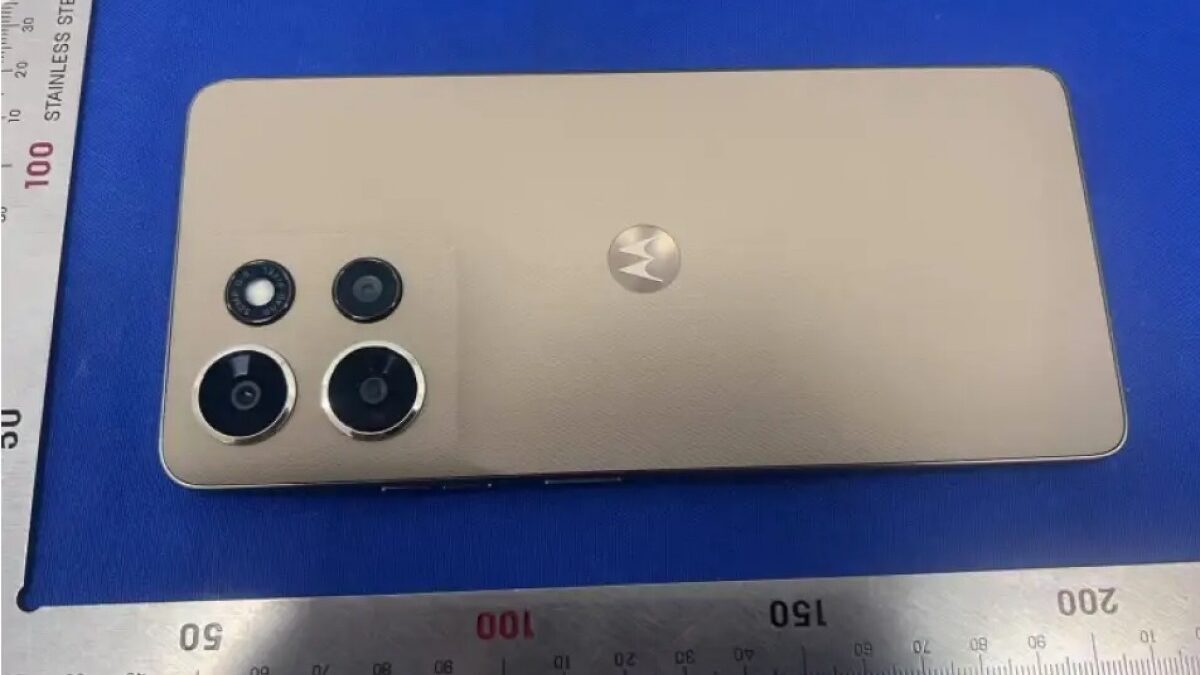
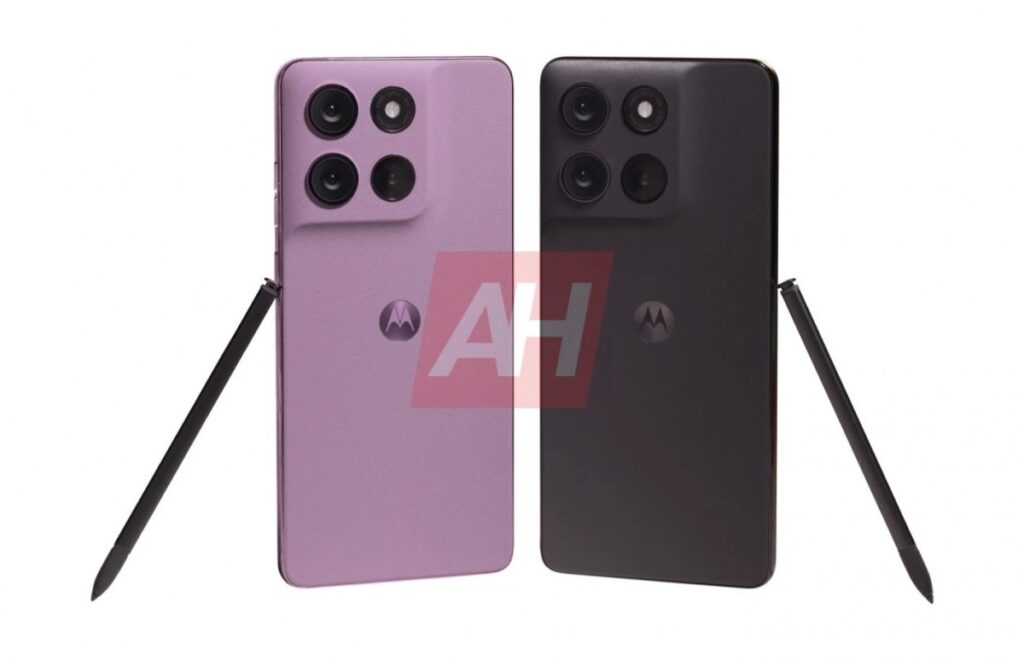
As we can see from the above photos, the designs for the two models look very similar to each other, and to the rest of the newer Motorola phones, including the G Play. Motorola has, quite fascinatingly over the last few years, started shifting from distinguishing their low-end smartphones through the use of an older-looking design, to their current strategy, where even the cheap G Play 2026 looks, at first glance, equally as expensive and premium as the leaked mid-range G Stylus 2026 and the Edge 2025. This is the same strategy Samsung has been going for with their budget phones, making people feel like they have a premium experience on the outside (making their budget phones look nearly identical to their flagships), even when the specifications, on paper, are worthy of a budget phone or a flagship from ten years ago. Apple, on the other hand, has employed the opposite strategy, historically equipping their cheaper phones (SE, SE 2, SE 3, 16e) with smaller screens, outdated designs, and just overall making sure they’re distinguished from the most expensive base model and Pro iPhones. What makes their strategy even more contrasting to that of Android phone companies is that they always put a flagship processor inside of their cheaper phones, the opposite of what companies like Motorola, Samsung, and more do. I think I got to rambling a bit too much, maybe it’s time to get to the takeaway so I don’t waste any more of your valuable time.
The takeaway
It’s clear that Motorola has started to lose their creativity that set them apart from other phone companies in the past, which can be seen clearly in the release of the Moto G Play 2026 and Moto G 2026. Both of those phones are just about identical to last year’s Moto G 2025. All three have the same processor, can get the same Android version, are all made out of the same materials and have the same Gorilla Glass, have the same display technology, resolution, and refresh rate, same amount of RAM, and more. The only differences between the three are trivial and are largely unnoticeable unless you REALLY look for them. But which one of them should you spend your hard-earned money on, especially when they’re all officially priced within $50 of each other ($149-$199)? But official pricing be damned, because these phones are frequently put on discount on online retailers, and pricing is frequently changed by Motorola (for example, the G Play 2026 launched at $179.99, was changed by Motorola to $169.99, and then back to the original price). What this means is that if you can snag any of these phones, brand new and unlocked, for less than $150, I would consider it a good buy. I wouldn’t pay $200 for a Moto G 2026, due to it not really being an upgrade at all from the cheaper phones, and I wouldn’t pay $180 for a G Play 2026, especially when the $150 Moto G 2025 is just as good or arguably even better. There are better budget phones out there right now, but, this line of Motorola phones will indeed do anything you need a basic phone to do, and function well for $150, so I would say I recommend them at that price.