Samsung recently released their new Galaxy A17 smartphone, and it’s virtually guaranteed to have a spot in the top 10 best selling smartphones each quarter of next year, just like Samsung’s A1X series phones of previous years. But why do people keep buying these mediocre budget phones year after year, and how have they been dominating the global smartphone market for years? Well, that’s due a lot of smart decisions and knowledge of what people actually care about on Samsung’s end. Samsung essentially just knows exactly what less tech-savvy consumers want in their phone, and they have the exact right price to pander to these people. But there is more to that, namely having to do with Samsung’s global audience and what they include specifically with the phone, which we’ll be delving into today.
The strategy of some phone companies is to heavily differentiate their budget and midrange phones from their flagship phones. A prime example is Apple, who have been making the design of their budget phones obviously set apart from their more expensive ones, giving their cheaper phones less cameras and an outdated design, yet the same processor as their more expensive counterparts. Their aim is to provide a somewhat similar user experience to the flagships, but make it obvious to you and everyone else around you that you didn’t pay the full price for Apple’s premium experience. On the other hand, Samsung, and many other phone companies employ the opposite strategy; to make their budget phones look essentially the exact same as their expensive flagship phones. This is because they’re mainly marketing to users in developing countries, most of them not anywhere near being in the market for a phone that costs more than a couple hundred bucks. Phone companies like Samsung trying to pander to this audience work hard to make their phones look as good as possible, while cutting numerous corners to keep costs as cheap as possible. That’s why unlike Apple who wants the their customers (first-world country inhabitants and upper-class residents of developing countries) to pay a premium to get into their ecosystem, Samsung’s phones are marketed as accessible to a much larger market, a market of billions who don’t have $1000 to spend on a new phone and want as much of a premium experience as possible. This is why Samsung has made most of their A-series phones in the past look exactly like their S-series phones, with the classic three-camera design, with the more modern A-series phone having their camera modules interconnected by a piece of plastic, which is still a premium look.
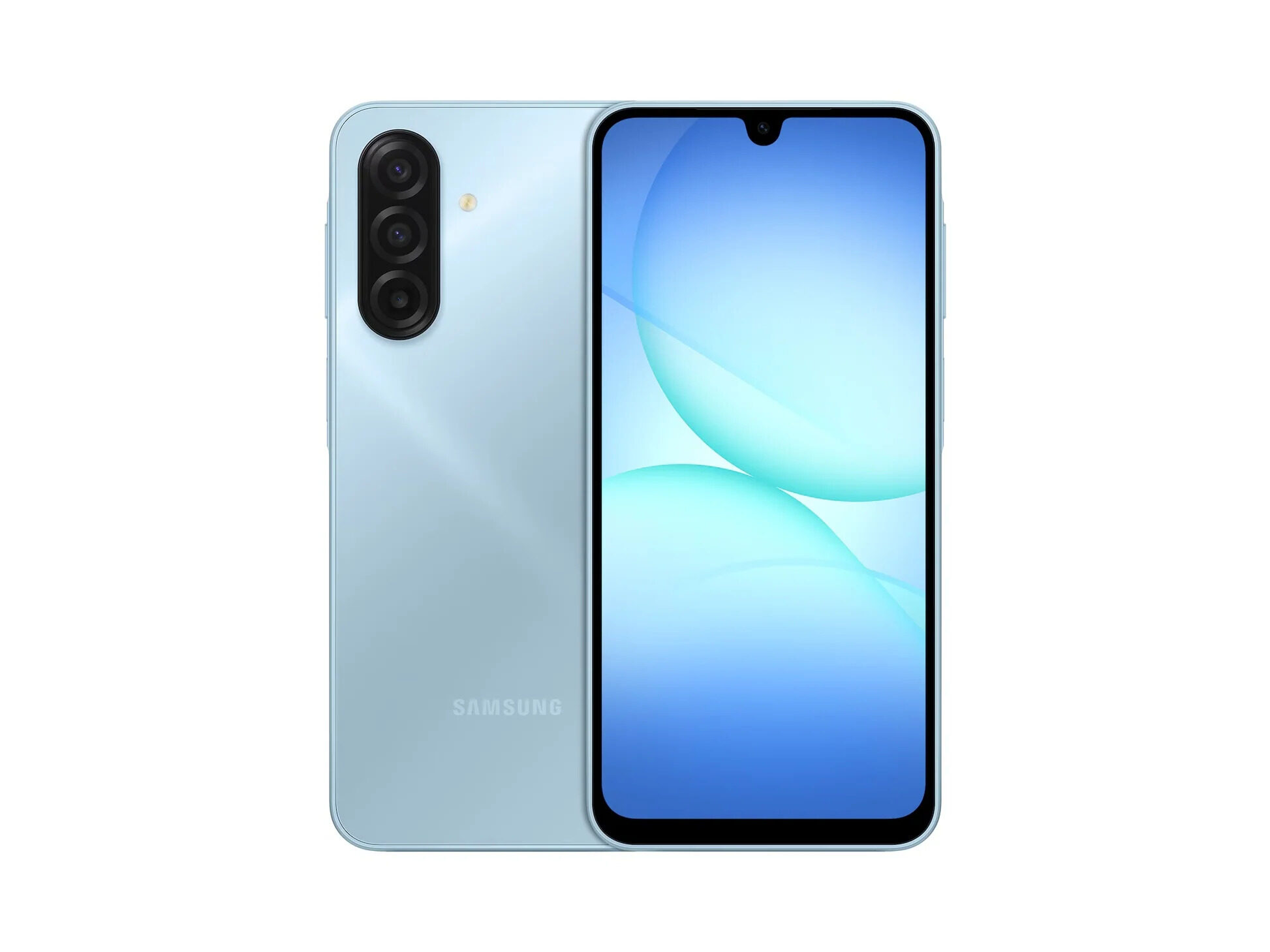
While Samsung’s A-series lineup may look premium on the outside, it’s the exact opposite on the inside. First of all, how did Samsung achieve the three-camera setup on these phones, just like they have on their phones that cost hundreds of dollars more? To the average consumer, three cameras is three cameras, and there’s no difference. However, this couldn’t be less true, as the the cameras included standard in most of Samsung’s A-series phones are a main lens that takes serviceable shots, and then two other lenses that output subpar and grainy photos, and really are added as “checklist” features, to check the box of having three cameras, to make the user think their phone is the same as the expensive one. These lenses are the ultrawide and macro lenses. The new Galaxy A17 includes a 5MP ultrawide lens and a 2MP macro lens. I found while messing around with it recently at a store that due to the low resolution of the ultrawide lens, there is no zoom range in-between 0.5x and 1.0x. It’s either 0.5x or the main lens, and the transition between lenses is all but smooth. The macro lens is at a point where it’s preferable to just use the main lens and zoom in on whatever you’re trying to get a close-up photo of, it’s that bad. Even the most expensive Galaxy A56 doesn’t have a telephoto lens or anything, it still ships with the main, ultrawide and macro lenses. That’s just one of the reasons I believe many of the phones from the new A-series lineup are actually bad for their price, but that’s a topic for another time.
Another layer of the “premium” facade of Samsung’s A-series phones is the processors Samsung chooses to include in them. The Galaxy A17 has the Exynos 1330 processor, the same one used in last year’s Galaxy A16. The fact that Samsung made no effort to change their latest phone’s processor from last year’s, combined with the fact that they try to hide their mediocre processor in their advertising (on the main features page of the Galaxy A17 on Samsung’s website, the only parts of the processor that are mentioned are that it’s a 2.4GHz octa-core processor, without immediate mention of the processor’s name or any benchmarking results.), just shows how Samsung relies on a shallow understanding of smartphones from their customer base, psychological tricks, and a premium-looking lineup of cheap phones to stay thriving in the budget smartphone market.
But why else have Samsung’s A1X phones stayed at the top of the sales charts year after year? Well, a couple other things contribute to that. Like I mentioned earlier, Samsung’s A1X phones appeal to the huge market of people in developing countries because they’re cheap and look premium, but also because they have so many years of software support. The Galaxy A17, along with past phones in its tier, come with 6 years of major OS upgrades, which rival most competitors in its price range. I theorize that Samsung is able to allocate so many major updates to a single phone due to the sheer amount of units they know they’re going to sell of it. However, most Samsung A1X phones become obsolete pieces of e-waste within a couple of years (just look at the A12 or A13 now), giving their excessive OS upgrade promise little meaning (unless you always plan on using your phone for calling, texting, and checking your email once in a while). Also, the A1X series of phones is one tier above the cheapest option, which is the A0X series of phones, making the A1X phones perceived as a “sweet spot” between the extreme low of phones and the extreme high end of the A-series, because nobody wants the cheapest available option, and the most expensive option is out of reach for many. The price is also just about perfect for most, as the latest Galaxy A1X phone has usually always been able to be bought for $150-200, a perfect price range for those who aren’t looking for an ultra cheap option but can’t afford a more expensive phone.
Samsung also caters other features of their budget phones around users who can’t afford a more expensive phone. The Galaxy A17 has a MicroSD card slot so users can cheaply expand their storage, whereas on Samsung’s flagships, you’ll have to pay their premium if you want more storage, as there is no slot to add a MicroSD card. Samsung also used to have headphone jacks in their A1X phones, but that ended with the release of the Galaxy A16. Overall, Samsung does a great job appealing to users on a tight budget (namely those in developing countries), they make their budget phones resemble their flagship phones as closely as possible on the outside, and cut corners to reduce costs and make their A1X phones the perfect price they are. In my opinion, despite their popularity, the new Galaxy A17 is not worth buying. Its specs are very similar to the Galaxy A16, and it is a bit of a laggy mess with its largely unoptimized UI. The Galaxy A16 is much cheaper (at least in the U.S.) and a much better deal at the moment. If you’re looking for a brand new budget phone in the current price range of the A17, I would suggest getting the Moto G Stylus 2024 or Moto G Power 2025 (currently on discount for $199.99).